Leon Schulz · 23 September 2026
Mastering Structured Logging Practices to Spot Technical SEO Shifts in Real Time
Structured logging has become a core practice for teams that monitor website performance at scale, and researchers have documented its role in detecting technical SEO changes before they affect rankings. Teams parse logs into consistent fields such as timestamp, URL, HTTP status, user agent, and response time, which allows automated systems to surface anomalies within minutes rather than days. Data from industry reports show that organizations adopting these formats reduce the time between a crawl error and its resolution by measurable margins.
Core Components of Structured Logs for SEO Monitoring
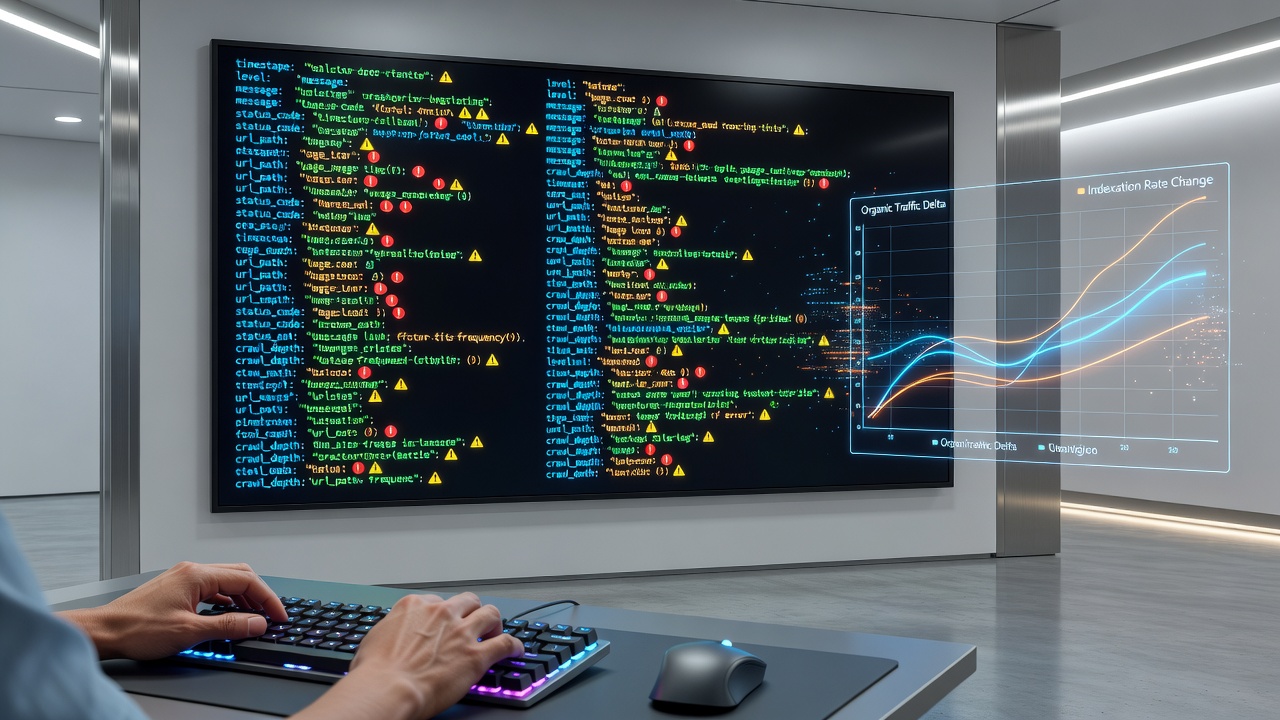
Each log entry contains machine-readable fields that align with common SEO signals, while analysts map status codes to indexation events and response times to crawl budget usage. When a site experiences an unexpected rise in 5xx errors or a sudden drop in crawl frequency from verified bots, the structured format feeds directly into alerting rules without manual parsing. Observers note that JSON or key-value formats outperform plain text because downstream tools can query them instantly across large datasets.
Key Fields to Capture
- Timestamp with millisecond precision to correlate events across servers
- Request URL and query parameters to identify problematic patterns
- HTTP status code and headers that reveal redirect chains or canonical issues
- User agent strings to separate legitimate search engine crawlers from other traffic
- Response size and latency metrics that indicate server strain during peak crawl periods
Those who implement these fields consistently report clearer visibility into shifts such as changes in crawl frequency or the appearance of new error clusters. As of September 2026, several enterprise platforms have added native support for exporting logs in these standardized structures, which simplifies integration with monitoring dashboards.
Setting Up Real-Time Detection Pipelines
Teams route logs through stream processors that apply filters and aggregations on the fly, and this setup surfaces deviations such as an increase in soft 404s or a drop in indexed pages within the same hour they occur. Research indicates that combining log streams with external signals like server resource utilization produces more accurate alerts than either source alone. One study from academic researchers at a North American institution demonstrated that real-time log analysis caught indexing delays that batch reports missed by several days.

Configuration often involves lightweight agents that forward logs to centralized stores while preserving original field order. Analysts then define thresholds for metrics like average crawl delay per host or the ratio of successful to failed requests. When thresholds are crossed, automated notifications trigger investigations before search engine behavior compounds the problem. What's interesting is how these pipelines scale across multiple domains without requiring separate tooling for each property.
Practical Examples from Production Environments
Take one e-commerce platform that noticed a gradual rise in 429 status codes during nightly crawls; structured logs revealed the pattern originated from a single content delivery node that had begun rate-limiting certain user agents. Quick adjustment of the node's configuration restored normal crawl rates within hours. Another case involved a news site where redirect chains lengthened after a CMS update, and log analysis pinpointed the exact template change responsible.
Figures from a European research consortium on web infrastructure show that sites using structured logging identified technical regressions an average of 18 hours earlier than those relying on periodic audits. The same data set indicates lower overall downtime when teams act on log-derived alerts rather than waiting for ranking reports. Those patterns hold across different regions and site types, suggesting the approach generalizes well.
Integration with Existing SEO Tooling
Structured logs complement existing platforms by supplying granular data that many dashboards lack, and teams often export aggregated log metrics into visualization layers for trend analysis. Links to official documentation from the World Wide Web Consortium help teams align field naming conventions with broader web standards. Similar guidance appears in reports issued by Australian government digital agencies, which emphasize consistent logging for performance diagnostics across public sites.
Because the data remains in a queryable format, analysts can run ad-hoc searches for specific crawl signatures without rebuilding entire datasets. This flexibility proves useful when investigating sudden changes in mobile-first indexing signals or when verifying that new schema markup appears correctly in rendered responses.
Conclusion
Structured logging practices give teams a continuous record of server interactions that directly relate to technical SEO health. By standardizing fields and feeding them into real-time pipelines, organizations detect shifts in crawl behavior, error rates, and response patterns as they develop. Data from multiple sources confirm that earlier detection correlates with faster remediation and more stable search visibility over time. Teams that maintain these systems as part of routine operations gain measurable advantages in maintaining site performance at scale.